
Malware & Ransomware
USAF Afghanistan Ops Risked Classified Data via Pilots' Unvetted USB Drives
Pilots bought flash drives from local vendors and used them on classified systems, creating a risk of malware transfer between network environments.
Malware & Ransomware coverage from Sandbox Desk holds 15 articles, 14 of them reference guides. The newest was published on October 15, 2026. New stories are added as soon as they are confirmed, from more than 150 sources checked as often as every 45 seconds. Each story lists its sources. Primary sources we follow for this section include UK National Cyber Security Centre and CISA: Stop Ransomware.
Pilots bought flash drives from local vendors and used them on classified systems, creating a risk of malware transfer between network environments.
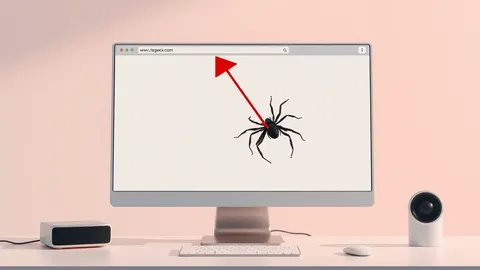
Search engine optimization poisoning exploits trust signals to redirect users to malicious payloads, bypassing traditional perimeter defenses by leveraging the victim's own credibility.

Droppers hide the payload until conditions are met, while loaders execute code from memory, making traditional signature-based scans ineffective against these delivery mechanisms.
Microsoft Defender Antivirus relies on local policy settings and network isolation more than cloud telemetry, making default configurations surprisingly vulnerable to targeted attacks.

Behavior-based detection monitors runtime actions rather than static signatures, allowing it to catch polymorphic malware that changes its code structure between infections.

Command and control channels hide inside normal traffic patterns, making protocol inspection alone insufficient for detection without behavioral context.

Recovery time depends on how often you verify backup integrity, not on how much data you store or how fast your servers run.

A computer virus requires user action to execute, distinguishing it from self-spreading worms that exploit network vulnerabilities autonomously.
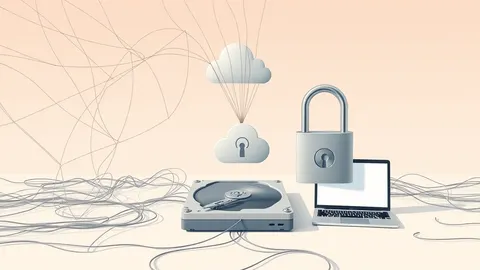
Treating ransomware as a simple encryption event ignores the lateral movement and data exfiltration that determine whether you can recover without paying.

Next generation antivirus detects threats by analyzing behavior rather than matching known file hashes, stopping zero-day attacks that traditional scanners miss.

Modern endpoint protection ignores file signatures to monitor process behavior, allowing it to catch zero-day threats that bypass traditional scanning methods.
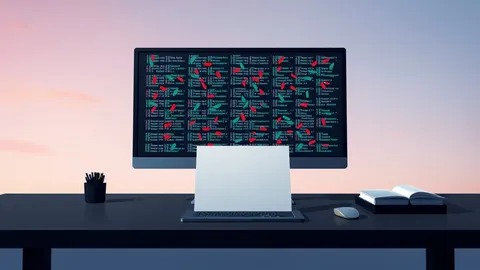
The ransom note contains cryptographic evidence that determines whether you can recover data without paying the attacker, regardless of your backup strategy.

Signature matching fails against zero-day threats, which is why modern tools rely on behavioral analysis and cloud telemetry to stop unknown code before it executes.

Logic bombs hide in plain sight within legitimate code, proving that signature-based detection often fails to catch them until the trigger condition is met.

Clipboard hijackers operate silently in memory without files, making traditional signature-based detection ineffective against their rapid data exchange.