Eclipse Vert.x Critical RCE in DB2 Client Threatens Orgs via Crafted Responses
A critical vulnerability in Eclipse Vert.x allows attackers to execute code via crafted database responses, affecting multiple major versions of the client.
Key points
- CVE-2026-102469 affects Eclipse Vert.x versions 4.0.0 through 5.2.0.
- The flaw enables remote code execution if Java gadget chains are present.
- The vulnerability is rated critical with a CVSS score of 9.2.
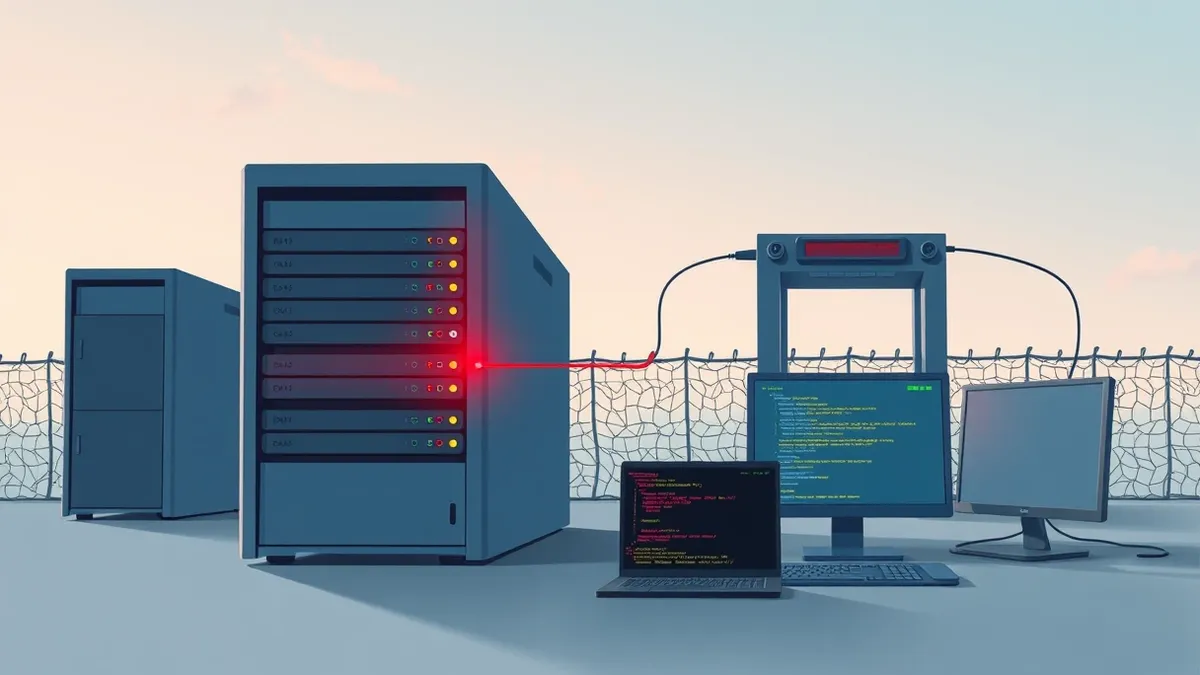
Malicious actors can exploit a critical flaw in the Eclipse Vert.x DB2 client to execute arbitrary code on target systems. The vulnerability, tracked as CVE-2026-102469, resides in how the client handles User Defined Type data within the DRDA protocol. According to the National Vulnerability Database, the issue carries a CVSS score of 9.2, rating it as critical. This allows attackers to bypass application logic and run commands on the server hosting the vulnerable client.
How does the exploit work?
The vulnerability exists because the vertx-db2-client deserializes incoming data using a bare ObjectInputStream.readObject() call. According to the NVD record, this code path lacks an ObjectInputFilter or a class allowlist to restrict what objects can be created. When a DRDA server sends a result set containing a column tagged as a User Defined Type with the FDOCA protocol LID 0x50, the client processes it. Legitimate DB2 servers do not send this specific type, but a malicious server or man-in-the-middle attacker can craft such a response.
What is the impact on organizations?
If an attacker sends crafted bytes tagged with the 0x50 identifier, the client deserializes them on the Vert.x event loop before any application code can inspect the data. According to the source material, this enables remote code execution if a Java deserialization gadget chain exists on the application's classpath. Even without a gadget chain, attackers can cause a denial of service by sending crafted object graphs. The default configuration disables TLS, which makes man-in-the-middle attacks more feasible for exploiting this flaw.
Which versions are affected?
The vulnerability impacts a wide range of Eclipse Vert.x releases. According to the NVD record, affected versions include the 4.x series from 4.0.0 up to 4.5.34. It also affects the 5.0 series from 5.0.0 up to 5.0.12, the 5.1 series from 5.1.0 up to 5.1.9, and version 5.2.0. The specific component identified is io.vertx:vertx-db2-client. Organizations using any of these versions in their database connections are potentially exposed to this deserialization risk.
Is there a fix available?
The source material does not state that a patch, fix, or update exists for this vulnerability. According to the provided text, there is no mention of a remediation release or confirmed fix. Teams relying on the vertx-db2-client must assume the vulnerability remains present in the listed versions. Until an official update is provided by the vendor, organizations should evaluate their exposure and consider mitigating controls to protect against potential exploitation of this critical flaw.
What analysts watch for
Security teams usually monitor network traffic for unusual DRDA protocol responses, particularly those containing User Defined Type tags that legitimate database servers do not send. Analysts should check whether applications rely on default TLS settings, as disabled encryption facilitates man-in-the-middle attacks. Investigating unexpected object deserialization events on the event loop can reveal exploitation attempts. Teams also examine classpaths for known gadget chains that could facilitate remote code execution if deserialization occurs.
Background: National Vulnerability Database
The National Vulnerability Database lists known flaws but lacks deployment context. Do not treat every entry as an immediate emergency. Cross-reference findings with your asset inventory and usage patterns to determine real risk, rather than reacting to every new identifier.
Read the full guide: National Vulnerability Database: Five Common Misreadings and Fixes
What to do and how to stay safe
- Enable TLS for all database connections to prevent man-in-the-middle manipulation of DRDA responses.
- Audit application classpaths to identify and remove unnecessary libraries that may contain Java deserialization gadget chains.
- Implement network-level controls to restrict which servers can send DRDA responses to your Vert.x clients.
- Monitor application logs for unexpected deserialization errors or crashes that may indicate denial-of-service attempts.
Step-by-step guide: How Vulnerability Scanning Works: The Hidden Mechanics and Limits
General security guidance from the Sandbox Desk newsroom. It is not confirmed advice from the organisations named in this story.
Frequently asked questions
What is CVE-2026-102469?
It is a critical deserialization vulnerability in the Eclipse Vert.x DB2 client that allows remote code execution or denial of service.
Which Vert.x versions are vulnerable?
Versions 4.0.0 through 4.5.34, 5.0.0 through 5.0.12, 5.1.0 through 5.1.9, and 5.2.0 are affected.